寄稿文(Essay)
Riki Matsui(D3, Astronomy) September, 2025
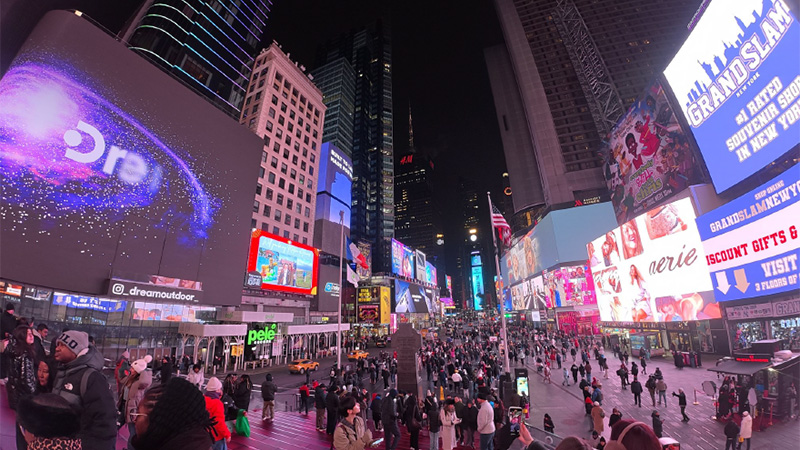
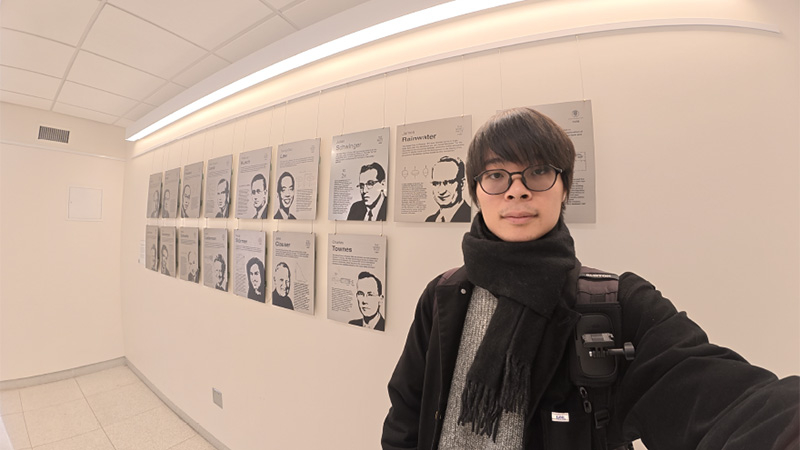
I completed overseas training in three separate periods. The first was for conferences in Atami and Greece, the second was for staying at Columbia University in New York, and the last was for the IHEP in Beijing. I appreciate all of the hosts and the GPPU support. Here, I would like to report on my longest stay, which was about two months in New York.
Staying at Columbia University was a wonderful experience for me as a researcher and as a person.
As a researcher, I was able to develop a research idea by communicating in English with a highly established researcher. Professor Andrei Beloborodov at Columbia University kindly hosted me and made time for many discussions, despite his busy schedule. Thanks to him, we achieved good results that we can publish. I am currently preparing a paper. As a person, I found inspiration in New York City. Huge museums such as the MET and MoMA showed me that creativity has the power to convey a message to the public. The "salad bowl" culture showed me the good and bad aspects of Japanese culture from an objective perspective. The Taco shop showed me how good Mexican food is.
Daiki Morita(Research Center for Neutrino Science ) September, 2025
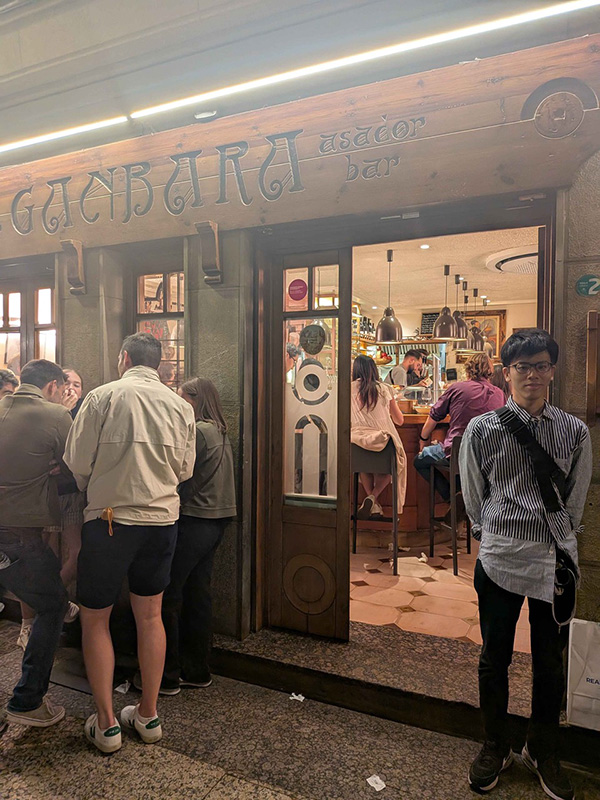
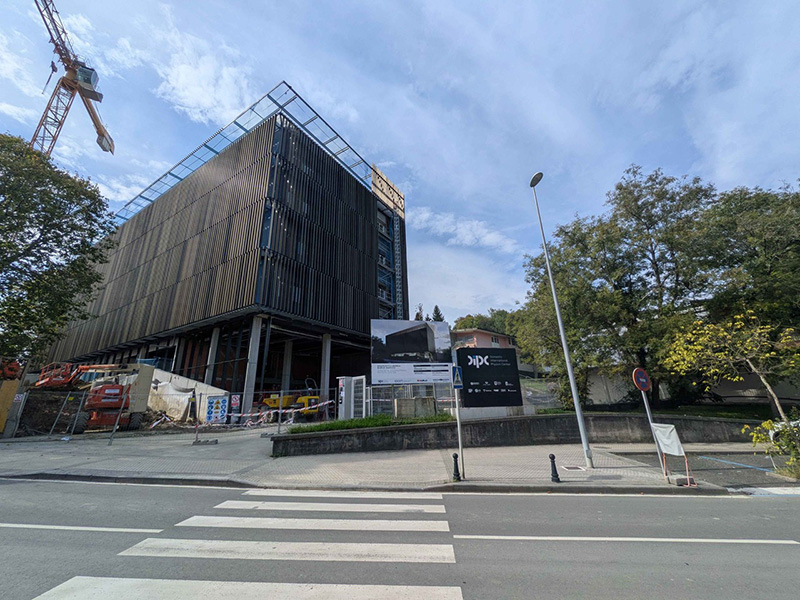
9/7から10/6にかけてスペイン・サンセバスチャンにあるDIPCに、WLSファイバーの集光効率測定のため訪れた。WLSファイバーは光ファイバーの一種で、側面から入射した光の波長を吸収・変換した後端面まで導く特性をもつ。DIPCの研究グループはKamLAND2-Zenに向けてWLSファイバーを用いた検出器を開発しており、自分もその一環として作業に加わった。1か月間の間で実験系のセットアップから測定までを行うことができ、開発を進めることができた。
I visited DIPC in Donostia/San Sebastian to measure the light collection efficiency of WLS fiber. Currently, the DIPC research team is developing a new detector using WLS fiber for the KamLAND2-Zen. This detector will be used for BG reduction in the chimney area. However, WLS fiber can’t be used in KamLS directly, so it must be protected by some material. One of the solutions is wrapping fiber with KamLAND miniballoon film. To determine its effectiveness, we needed to verify whether wrapping it with film would reduce the amount of light collected by the WLS fiber. In this training, I created the entire set up of measurement, analyzed data, and created a simulation. Although the simulation was left unfinished, I could carry out the measurements and confirmed that the presence of the film caused the light intensity to drop by a few percent. And I also discussed with the staff in DIPC about the direction of future development for the detector, and we agreed to move forward with development in a positive direction to protect the fiber with the film.
Natsu Obata(Research Center for Neutrino Science ) September, 2025
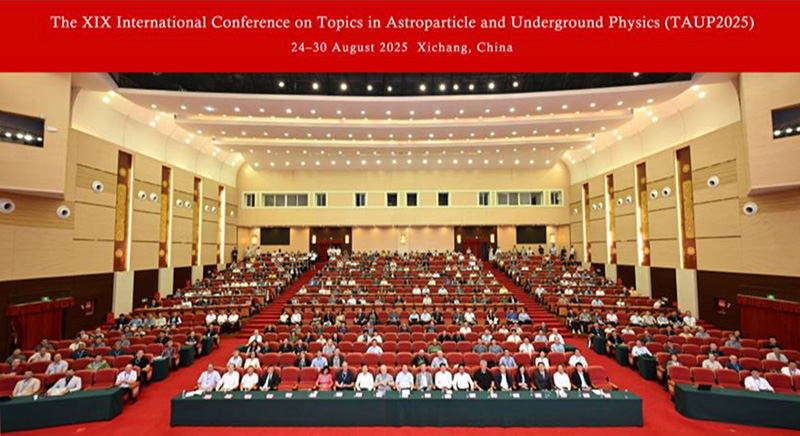
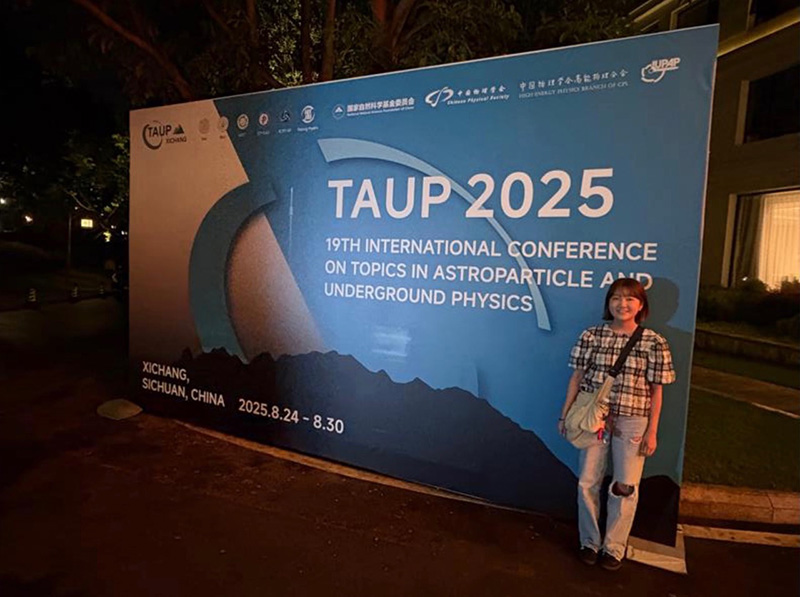
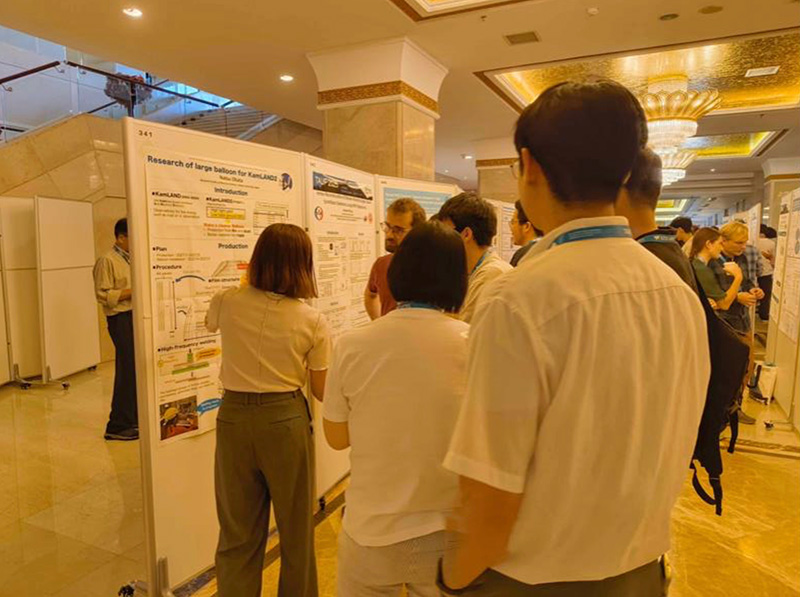
2025年8月24日から30日にかけて、中国・西晶で開催された The XIX International Conference on Topics in Astroparticle and Underground Physics (TAUP2025) に参加し、KamLAND2に向けたバルーン製作に関するポスター発表を行いました。
TAUPは500名以上が参加する大規模な国際会議であり、宇宙素粒子物理学に関する幅広いテーマを網羅しています。さまざまなセッションに参加することで、自身の研究分野にとどまらず幅広い知見を得ることができました。特にニュートリノ分野のパラレルセッションでは、世界各地で進行中の地下実験の最新成果や次世代検出器の開発状況について知ることができ、大変刺激を受けました。KamLANDも次世代機への開発が進行しており、同じ分野に携わる者として身の引き締まる思いでした。
ポスター発表では予想以上に多くの研究者に関心を持っていただき、活発な議論を行うことができました。特に関連する検出器の開発に携わる研究者との意見交換は非常に有意義であり、今後の研究に直接役立つだけでなく、実験間の協力の重要性を改めて実感する機会となりました。いただいたフィードバックは建設的で、自身の研究を進めるうえで大いに参考になりました。
一方で、英語での議論において十分にスムーズなコミュニケーションが取れない場面もあり、自分の英語力の限界を痛感しました。研究内容の核心部分は伝えられたものの、議論を円滑に進めるうえでの表現力不足が浮き彫りとなり、今後さらに語学力を磨く必要があると強く感じました。
今回のTAUPへの参加は、科学的な知識を深めるとともに、国際的な研究ネットワークを広げ、自身の研究の方向性を明確にする上で、非常に有意義な経験となりました。
From 24 to 30 August 2025, I attended The XIX International Conference on Topics in Astroparticle and Underground Physics (TAUP2025), held in Xichang, China, where I presented a poster on the balloon production for KamLAND2.
TAUP is one of the largest international conferences in astroparticle physics, attracting more than 500 participants and covering a wide range of topics. By attending various sessions, I was able to broaden my understanding beyond my own area of expertise. In particular, the parallel sessions on neutrino physics were highly stimulating, as they provided an overview of the latest results from underground experiments around the world and updates on the development of next generation detectors. Since KamLAND itself is currently undergoing upgrades toward its next phase, I found these discussions especially relevant and motivating.
During the poster session, I was pleasantly surprised by the large number of researchers who came to listen to my presentation. I had the
opportunity to engage in lively discussions and exchange ideas with scientists working on related detectors, which proved to be extremely valuable. These interactions not only provided me with constructive feedback but also highlighted the importance of cross experiment collaboration in our field.
At the same time, I became acutely aware of the limitations of my English proficiency. While I was able to communicate the core aspects of my work, I occasionally struggled to maintain a smooth discussion, which underscored the need for me to further improve my language skills.
Overall, participating in TAUP2025 was a highly rewarding experience that deepened my scientific knowledge, expanded my professional network, and provided clear direction for both my research and personal development.
Sota Kobayashi (High Energy Physics)
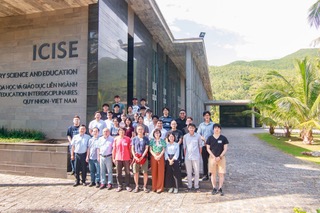
I participated in the Vietnam School of Neutrino held in Quy Nhon, Vietnam.
There were 22 students participating in the school, including Japanese students, as well as students from Vietnam, India, and Malaysia.
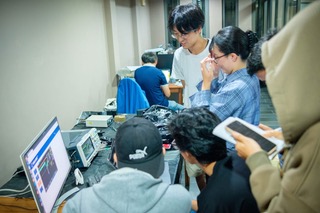
In addition to lectures by Japanese instructors, the school also offered lectures on hardware and software, as well as group research projects.
Although the lectures were relatively easy to understand since undergraduate students were also participating, I was able to gain new knowledge and perspectives in every class. Since the school focused on the experimental field of neutrino physics, I was able to trace the evolution of the Kamiokande experiment series and the development from natural neutrino observation experiments to accelerator neutrino experiments. The gradual unveiling of the mysteries of neutrinos was very interesting. In addition, discussions on what additional experiments are necessary to confirm the discovery of new phenomena, using the observation of
neutrino oscillations as an example, were useful for my future research activities. A neutrino conference was held concurrently with the school, so I also attended classes taught by foreign instructors participating in the conference.
Communicating with international students in English was difficult, as we were living together in daily life.
There were many times when I couldn't understand what was being said, and having to ask repeatedly was very frustrating.
I would like to improve my English skills as a communication tool through training in Japan.
Life in Vietnam was very enjoyable thanks to the support of local students.
Meals often included spices and herbs, but I found them delicious every day.
The people were very friendly and approachable, making me feel at home.
I definitely want to visit again.
Shunpei Yamazaki (Nuclear Physics, RARiS, Tohoku University) May, 2025
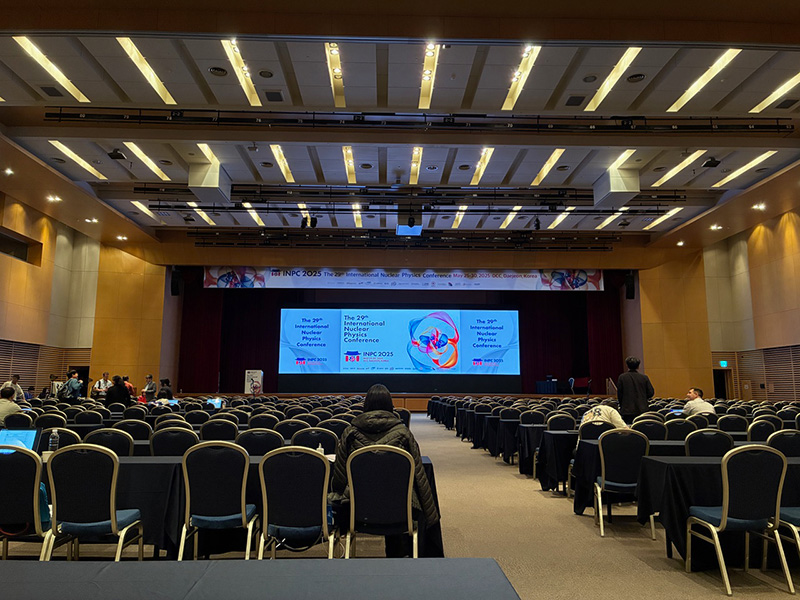
2025年5月25日から6月1日にかけて、韓国の大田広域市にて行われたThe 29th International Nuclear Physics Conference(INPC2025)に参加し、炭素12での中性子非弾性散乱測定についてのポスター発表を行いました。この会議は、原子核物理学の国際会議としては最大規模であり、さまざまな分野の発表を聞いて知見を深めることができました。特に、自分の研究に関連した、高温・高密度下におけるトリプルアルファ反応の周辺粒子による増幅についてや、炭素12や酸素16のαクラスター構造に関する発表を聞くことができ、関連する国内外の研究者と交流をすることができました。また、会議の期間中には、韓国に新しく建設された不安定核加速器実験施設RAONの見学ツアーに参加したり、本場の韓国料理を味わったりと、充実した時間を過ごすことができました。
I participated in The 29th International Nuclear Physics Conference (INPC2025) held in Daejeon, South Korea and presented a poster on neutron inelastic scattering measurements on carbon-12. This conference was one of the largest international conferences in the field of nuclear physics, and I was able to deepen my knowledge of various research topics. In particular, I listened to some talks closely related to my research topic, such as the enhancement of triple alpha reaction in hot and dense matter conditions caused by surrounding light particles, and alpha cluster structures in carbon-12 and oxygen-16. I was also able to exchange ideas with researchers from domestic and international institutions working on these topics. In addition, I joined a facility tour of RAON, which is a new Korean accelerator facility with rare isotope beams, and enjoyed authentic Korean food. They were very fulfilling and memorable experiences.
Kosuke Takahashi (D1, Astronomical Institute) 9-13, June, 2025, Naples, Italy
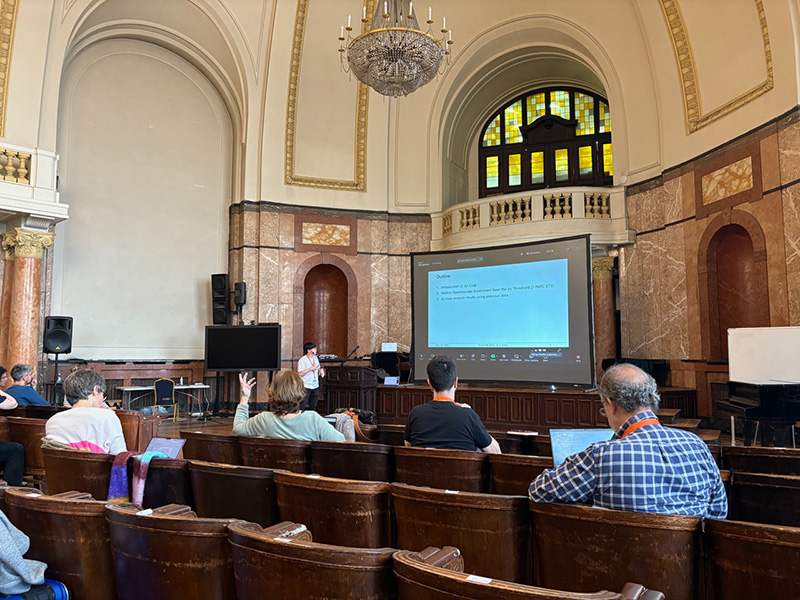
I attended the IAU (International Astronomical Union) Symposium held in Naples, Italy, from June 9 to 13. The symposium focused on "massive galaxies", which is my area of specialization. It was a large conference that brought together researchers from around the world. I was fortunate to be given a valuable opportunity to provide an oral presentation. My talk was based on my master thesis. It covered two main topics: the exploration of distant massive galaxies relevant to future large projects, and the study of galaxies in the early Universe using data from the James Webb Space Telescope (JWST).
The venue was a grand, historic church. I still clearly remember how nervous I felt just before my presentation (Fig. 1). During the symposium, I attended all of the presentations and discussions by researchers in this field. These sessions not only helped me learn about the latest developments, but also inspired me through the work of fellow early-career researchers. During coffee breaks and the banquet, I had the chance to talk with other researchers about massive galaxies. I also connected with students. Our conversations extended beyond research, including cultural exchanges about our home countries.
For lunch and dinner, I tasted authentic Italian pizza and pasta. The city of Naples is filled with historic European-style buildings, creating a charming atmosphere. On the free afternoon, I took a train to visit Pompeii, the ancient city buried in ash by the eruption of Mt. Vesuvius (Fig. 2). It was a fascinating opportunity to experience the history of Naples and Italy firsthand.
Overall, it was an incredibly meaningful experience. I would like to apply what I learned to my research and continue working toward achieving even greater results.

Fig. 1: My presentation

Fig. 2: Pompeii and Mt. Vesuvius (Free afternoon)
Miku Tsujii (Department of Astronomy, Graduate School of Science, Tohoku University) June, 2025
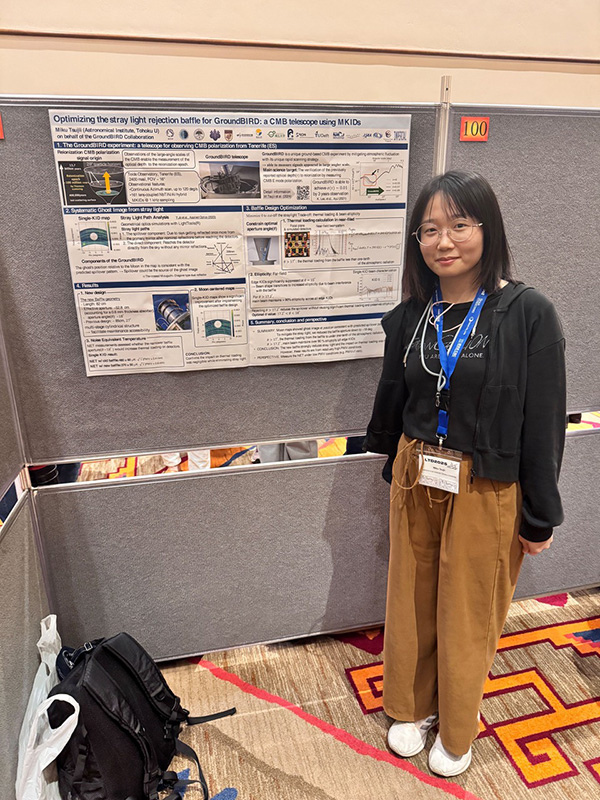
I participated in the LOW TEMPERATURE DETECTORS CONFERENCE 2025, held from June 1st to 6th. This conference was a valuable venue where cutting-edge technologies in low-temperature detectors gathered, and it was my first time attending. At the conference, I had the opportunity to interact with researchers from various fields. The most interesting thing was the diversity of challenges and solution approaches specific to each field, even while dealing with the same physical phenomena. My first time in the United States was really enjoyable. The museums and historical buildings I visited during breaks from the conference provided opportunities to experience the rich cultural background of this country firsthand.
Ryuta Saito (Department of Physics, Graduate School of Science, Tohoku University) April 2025
2025年4月14日から17日にかけて、ブルガリアのソフィア大学で開催されたFemTUM2025に参加し、カスプ分光法に関する口頭発表を行いました。このワークショップは、ハドロン間相互作用を特徴付ける物理量でる散乱長の測定手法として最近注目を集めているフェムトスコピーに関するものでした。私が取り組んでいるカスプ分光法は、2粒子の質量閾値近傍に現れる特徴的な構造(閾値カスプ)の形状から散乱長を導き出す手法です。今回のワークショップでは、この手法に興味を持ってくださった現地の研究者から声をかけていただき、紹介する機会を得ました。初めての招待講演で緊張もありましたが、手法の有用性や新規性を伝えることができたと思います。フェムトスコピーの解析でも類似の構造が確認されており、今後の共同研究につながる有意義な海外出張となりました。
From April 14 to 17, 2025, I participated in FemTUM2025, an international workshop held at Sofia University in Bulgaria, and gave an oral presentation on cusp spectroscopy. This workshop focused on femtoscopy, a technique that has recently attracted attention as a method for measuring scattering lengths—quantities that characterize hadron-hadron interactions. My research theme is cusp spectroscopy, a method that extracts the scattering length from the shape of the threshold cusp that appears near the mass threshold of two particles. At the workshop, I was invited to present this approach by local researchers who showed interest in it. Although it was my first invited talk and I was quite nervous, I think I was able to convey the novelty and significance of the method. Cusp-like structures have also been observed in femtoscopy analyses, and I found this trip to be a valuable opportunity that may lead to future collaborations.